




Japanese Green Tea Co Review: One Farm, Free US Shipping
Japanese Green Tea Co is an American company that imports its teas from a single named farm in Shizuoka, Arahataen, and stocks them in a Washington State warehouse. Here is our analysis of the 50 g ceremonial matcha and the 200 g genmaicha, with the official prices, the caffeine figures printed on the panels and the US shipping terms.






Our verdict on Japanese Green Tea Co in brief
This brand does something almost no tea seller does: it names the farm, and prints its address. Every tea comes from Arahataen Inc. in Makinohara, Shizuoka, a family operation founded in 1948 working the Chagusaba method, which returns cut grassland material to the tea fields and enriches the soil with sugarcane, with a research partnership at Shizuoka University behind the soil work. The cultivar, Yabukita, is named too, and each product page publishes a Nutrition Facts panel with the caffeine per serving, 42 mg for the matcha and 34 mg for the genmaicha.
For an American reader the logistics are the second argument. Teas travel weekly from Japan into a Washington State warehouse, so a US order ships free by USPS in two to five days, with no customs, a 30-day money-back guarantee and a six-month price match. The reservations are the price, $39.00 for 50 g of matcha, around $1 a cup, the absence of published batch certificates for pesticides and heavy metals, and award claims that belong to specific teas: the Global Tea Championship wins are those of the $300 Limited Reserve and of Issaku Reserve, not of the everyday tin.

In this review we go through the single-farm sourcing, the Chagusaba method, the real prices of each tea, the caffeine printed on the panels and the shipping terms that matter for a US order.
Brand scores
Product scores
User experience
Shipping and customer service
Our analysis of Japanese Green Tea Co: the teas under the microscope
This review is built from the official product pages, their Nutrition Facts panels, the shipping page and the guarantee page. It is not a tasting: nobody on the team brewed these teas, and inventing sensory notes would tell you nothing useful. What can be checked is the farm, the cultivar, the grams in the bag, the caffeine printed on the panel and the terms at checkout.
For an American reader the logistics are the second half of the story. The company is US-based, stocks its teas in a Washington State warehouse replenished weekly from Japan, and ships free across the United States by USPS in two to five days, so there is no import, no customs form and no currency conversion.
📌 Ceremonial Japanese Powdered Green Tea: the everyday 50 g matcha
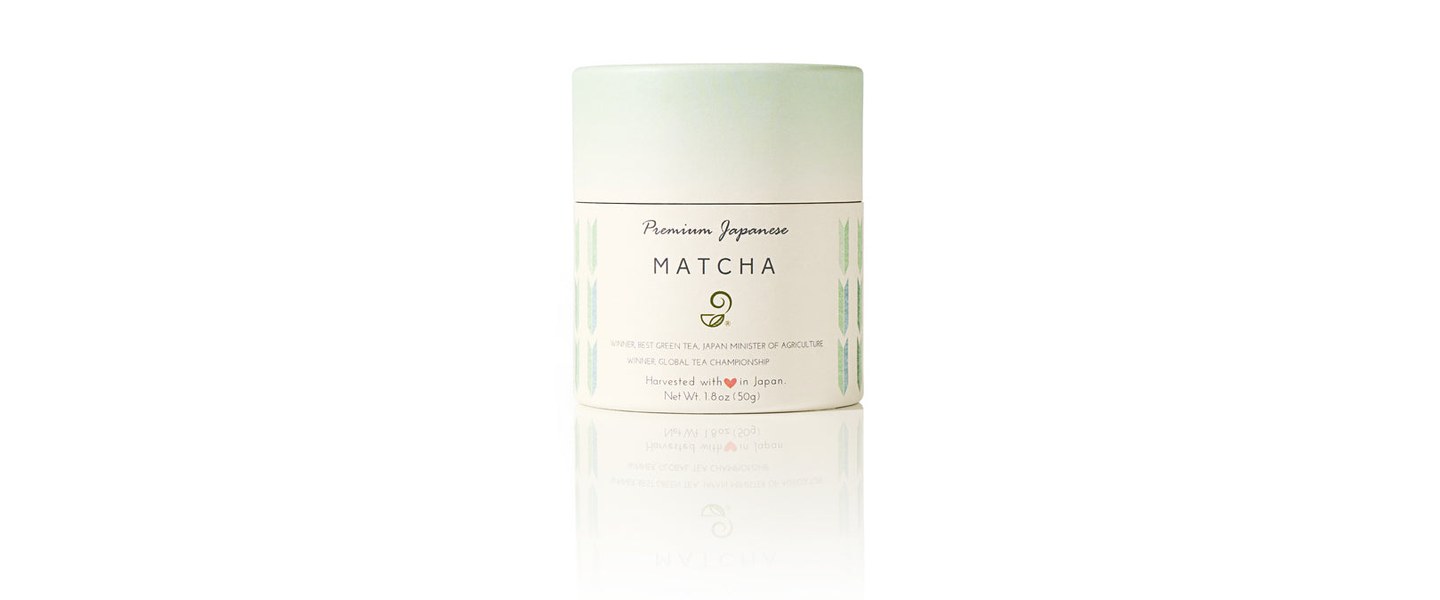
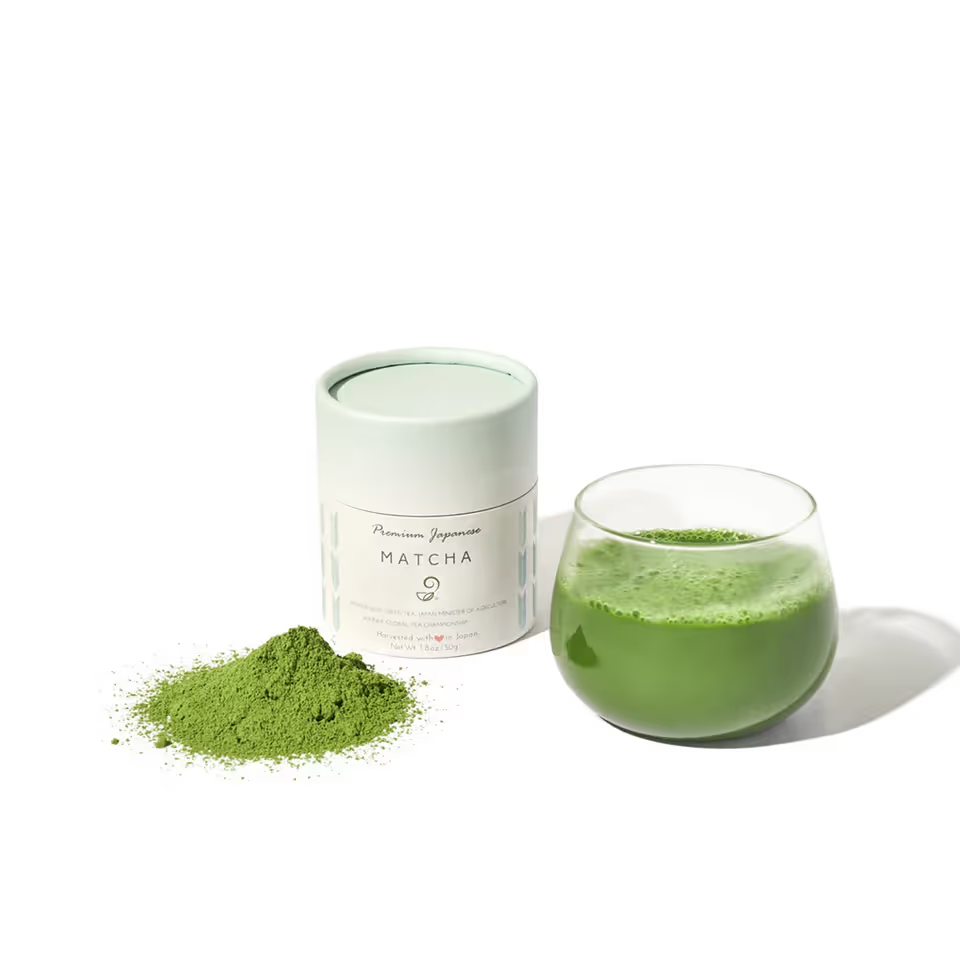
This is the reference product of the catalog: 1.8 oz, 50 g, in an air-tight paper tube canister measuring 7.3 cm across and 6.7 cm high, for $39.00, with a refill without the outer packaging at $36.00 sold only in the United States. The listing states the tin steeps 30 to 40 cups. The single ingredient is Japanese powdered green tea with no additives, the cultivar is Yabukita, and the leaves come from the Arahataen farm at 257 Nunohikihara, Makinohara, Shizuoka, an address the brand prints in full on the page.
The Nutrition Facts panel uses a 7 g reference serving that makes 350 ml and lists 42 mg of caffeine, while the page FAQ puts a typical cup at about 40 mg, roughly a third of a standard coffee. That 7 g figure is a label reference, not a recommended dose: a traditional bowl uses 1 to 2 g. The brand states that this matcha won the Global Tea Championship in 2018, and describes shading for several weeks before harvest, de-stemming and slow stone grinding to limit heat. The product page carries 90 customer reviews.
📌 Genmaicha: 200 g of deep-steamed sencha with roasted rice
The Genmaicha is the value item of the range and the one whose price the old version of this page had wrong. It costs $30.00 for a 7 oz, 200 g resealable bag that the listing says steeps 50 to 60 cups, which puts the first cup somewhere around $0.50. The blend is a fukamushi, or deep-steamed, Yabukita sencha mixed with roasted Japanese mochi-gome sticky rice, from the same Arahataen farm and the same Chagusaba cultivation.
The brewing instructions on the page are precise: 1 to 2 teaspoons for 12 to 16 oz of water at 175 to 185°F, 30 to 60 seconds, and the brand states the leaves are good for two or three infusions. The Nutrition Facts panel gives 34 mg of caffeine, described by the brand as about a third of a cup of coffee. The ingredient list is simply green tea and roasted brown rice, with no additives declared, and the page carries 45 customer reviews.
📌 Limited Reserve Ceremonial Matcha: the one not to confuse with the other
The catalog also holds a Limited Reserve Ceremonial Matcha at $300.00 for 1.1 oz, 30 g, presented as steeping 20 to 25 cups and delivered in a paulownia wood kiribako box. A refill without that packaging is listed at $250.00. This is the tea the brand presents as a Global Tea Champion for 2018 and 2025, and it is the reason to read award claims carefully.
The distinction matters because the $39 everyday matcha and the $300 reserve are two different products at a ten-to-one price ratio. Anyone comparing matcha prices across brands should check they are looking at the standard tin: at 30 g for $300, the reserve is a ceremonial purchase, not a daily drink.
The verdict on format and dosing
The formats fit the use. The matcha comes in a rigid, air-tight paper canister that protects a powder sensitive to light and oxygen, while the loose leaf arrives in a large resealable pouch. Both pages publish grams, cup yields and brewing parameters, so cost per cup can be worked out before ordering rather than guessed.
One caveat: the yields printed on the site assume the brand's own measures. A thick matcha latte can use twice the powder of a traditional bowl, which halves the number of servings in the tin. Compare grams per serving, not tins.
Effectiveness and what to expect
Green tea is a drink, not a supplement, and this brand stays reasonable about it: the pages talk about flavor, aroma, cultivar and soil rather than promising results. What is documented is the composition, since matcha delivers the whole leaf and therefore more caffeine, L-theanine and catechins than an infusion of the same leaf. That is why the panel shows 42 mg against 34 mg for the genmaicha.
The brand does not publish batch laboratory reports for pesticides or heavy metals, nor harvest and milling dates per lot, and that is the main documentation gap. Caffeine also deserves attention for anyone pregnant, sensitive to stimulants, or managing sleep, reflux, arrhythmia or low iron, and green tea can interfere with iron absorption and with some medications. When in doubt, ask a health professional.
Who is Japanese Green Tea Co?
Japanese Green Tea Co is an American company founded by Kei Nishida, who tells on the site how the project started while he was working as a software engineer and struggling to get authentic Japanese tea shipped abroad. What began as a small venture in 2015 became the exclusive distributor outside Japan for Arahataen Green Tea Farms. Miki, presented as Chief Branding Officer, handles packaging and branding. The store banner claims four Global Tea Championship wins, and those awards belong to specific entered teas: the Limited Reserve matcha for 2018 and 2025, Issaku Reserve for 2017 and 2019.
The farm behind the range is documented in unusual detail. Arahataen was founded in 1948 by Mr. Arahata Eizo, spans 17 acres in Makinohara with 55 staff, has led the Fukamushi research group since 1969, and works with Shizuoka University on how soil shapes flavor. Its Chagusaba method returns cut grassland material to the tea fields. The brand publishes no independent review platform score, only its on-site ratings.
📌 Key commitments
- One named farm, Arahataen in Makinohara, Shizuoka, with its full address printed on the product pages
- Named cultivar, Yabukita, and named cultivation method, Chagusaba, with sugarcane-enriched soil
- Nutrition Facts panel with caffeine per serving on each tea page
- Weekly shipments from Japan into local warehouses in the United States, Canada, the United Kingdom, the European Union and Australia
- Same-day dispatch on orders placed before 10 AM ET, Monday to Friday
- 30-day money-back guarantee and a six-month price match guarantee
The ceremonial matcha against a supermarket matcha
| Criteria |
Analyzed by TBS
Ceremonial matcha by Japanese Green Tea Co
|
Supermarket matcha
|
|---|---|---|
| Farm identified | ✅Arahataen, Makinohara, Shizuoka, full address on the page | ❌Origin usually limited to Japan or Asia |
| Cultivar and method | ✅Yabukita, Chagusaba cultivation, sugarcane-enriched soil | ❌Rarely stated |
| Additives | ✅Powdered green tea only, no additive declared | ❌Sugar or milk powder common in latte mixes |
| Caffeine published | ✅42 mg on the 7 g panel, about 40 mg per typical cup | ❌Almost never printed |
| Price for 50 g | ✅$39.00, refill $36.00, 30 to 40 cups | ✅$15 to $25, quality highly variable |
| Ships to the United States | ✅Yes, free by USPS in 2 to 5 days from Washington State | ✅Yes, on the shelf |
The table explains the price gap without hiding it. A supermarket tin is cheaper and will do for baking, but it says nothing about the farm, the cultivar or the caffeine, and often carries added sugar. Here every one of those lines is filled in, which is what traceability actually looks like. The last row is the practical one: this is a domestic purchase for an American reader, delivered free in two to five days.
The Japanese Green Tea Co range
The catalog stays deliberately small, around forty references. Beyond the two flagships it lists Issaku Reserve, presented as Global Tea Champion 2017 and 2019, at $80.00; Gyokuro at $65.00; Nozomi kabusecha at $39.00; Gokuzyo Aracha at $39.00 loose or $35.00 for 50 tea bags; roasted hojicha at $25.00 as leaf or powder; Genmai Matcha at $35.00; and the Benifuuki line as tea bags at $30.00, powder sticks or candy at $17.00.
Teaware and gift sets complete the offer: a 100-prong chasen whisk at $19.99, a Tokoname kyusu teapot at $130.00, gift sets from $72.00 to $159.99 and a Cuzen home matcha grinder at $299.00. A subscription is available on most teas.
Composition breakdown: what the teas are actually made of
The matcha, gram by gram
One ingredient: Japanese powdered green tea, Yabukita cultivar, no additive declared, 100% made in Japan. The panel for a 7 g serving giving 350 ml shows 22.7 kcal, 0.37 g of fat, 2.77 g of carbohydrate, 2.07 g of protein and 42 mg of caffeine. Because matcha is the whole leaf in suspension rather than an infusion, everything in the leaf ends up in the bowl, which is what raises the caffeine and the catechin load compared with a steeped tea. The brand does not publish per-lot values for L-theanine or EGCG.
The genmaicha, leaf and rice
Two ingredients: green tea and roasted brown rice. The tea is a deep-steamed Yabukita sencha, the rice a Japanese mochi-gome sticky rice chosen for its toasted aroma. The panel for the same 7 g reference gives 22.3 kcal, 0.34 g of fat, 2.62 g of carbohydrate, 2.20 g of protein and 34 mg of caffeine. Deep steaming breaks the leaf down further, which is why the liquor is cloudier and the infusion faster, 30 to 60 seconds rather than the two minutes a standard sencha needs.
Buying Japanese Green Tea Co from the United States
This is a domestic purchase. The store ships free across the whole United States, Hawaii and Alaska included, by USPS First Class in two to five days, from its own warehouse in Washington State, with free USPS insurance on every order. Orders placed before 10 AM ET ship the same business day. No sales tax applies unless you live in Washington State, where unprepared food such as tea is not taxable anyway. Shipping is also free to Canada, the United Kingdom, the European Union and Australia, each served by a local warehouse, while the rest of the world pays a $29.99 flat rate for USPS International Priority in six to ten days.
The guarantee is unusually simple: a 30-day money-back guarantee promising a full refund by email if you are not happy, plus a price match guarantee for six months after purchase, including against the store's own price drops. An order can be cancelled free within 48 hours; after that a $10 administration fee applies and return shipping is on the buyer. Promo code LMC takes 10% off an eligible order, which brings the 50 g matcha to about $35.10 and the genmaicha to about $27.00. Refills, subscriptions, club rewards and sale prices may not combine with it, so check the deduction in the cart.
Matcha comes third in our ranking of the best matcha powder for lattes, compared with 3 other products on published amounts and real cost.
Technical analysis and expert verdict
The strong point is traceability, and it is not a marketing word here. One farm, named with its street address, a named cultivar, a named cultivation method, a research partnership with Shizuoka University, and a caffeine value printed on every tea page. Very few tea sellers in the United States publish that much, and the supply chain removes the import friction entirely.
The limits are worth stating. The prices are premium, around $1 a cup for the matcha, and the reserve at $300 for 30 g sits in a different world from the rest of the catalog. Award claims need to be attached to the exact tea that won them, since the store banner advertises four championship wins that belong to the reserve and to Issaku, not to every product. No batch certificate for pesticides or heavy metals is published, and there is no independent review platform to cross-check the on-site ratings. With code LMC at 10%, the everyday matcha at about $35.10 and the genmaicha at about $27.00 are fair prices for single-farm Japanese tea delivered free.
The Japanese Green Tea Co flagship products
📌 Ceremonial Japanese Powdered Green Tea
The flagship: 50 g of Yabukita matcha from the Arahataen farm in Makinohara, Shizuoka, with no additives, in an air-tight paper canister the brand says steeps 30 to 40 cups. $39.00, or $36.00 for the US-only refill without packaging, with 42 mg of caffeine on the 7 g reference panel. The brand states this tea won the Global Tea Championship in 2018.
📌 Genmaicha
The everyday tea of the range and the best value: 200 g of deep-steamed Yabukita sencha blended with roasted mochi-gome rice for $30.00, which the listing says steeps 50 to 60 cups, around $0.50 a cup. Brew 1 to 2 teaspoons in 12 to 16 oz at 175 to 185°F for 30 to 60 seconds; the brand says the leaves are good for two or three infusions, at 34 mg of caffeine per reference serving.
Promo code LMC takes 10% off an eligible order on the official store, which puts the matcha at about $35.10 and the genmaicha at about $27.00. Refills, subscriptions and sale prices may not combine with it.
Go further: browse the Japanese Green Tea Co brand page with the full product list, the Japanese Green Tea Co promo code LMC and the Genmaicha - Japanese Green Tea Co product sheet.
Our final verdict: should you buy from Japanese Green Tea Co?

The Best Supplements' editorial guidelines guarantee transparency and reliability: all our content is written by industry specialists and validated against 7 key criteria*, so every publication delivers quality information, promo codes, and reviews.
To support The Best Supplements, links on this site are affiliate links: we may earn a commission when you buy through these links, at no extra cost to you. By using the site you accept our terms of use and our editorial policy.

🎁 Want a -50% promo code you won't find anywhere else?
We negotiated an exclusive -50% promo code for you with a very well-known mushroom coffee brand. Interested? Subscribe and get your code straight to your inbox.
The 7 key criteria behind our reviews
Every piece of content published on The Best Supplements is carefully written by passionate experts, following a rigorous process. The Best Supplements is committed to providing information that is reliable, useful, and enjoyable to read.
Specialized, committed writers


Rigorous research behind every fact
Full transparency on sources

Focused on your real needs
Original, authentic content
Articles updated continuously

Compliance with standards and editorial ethics

Our favorite brand this month 🧡
Our pick of the month, one to try without hesitation.
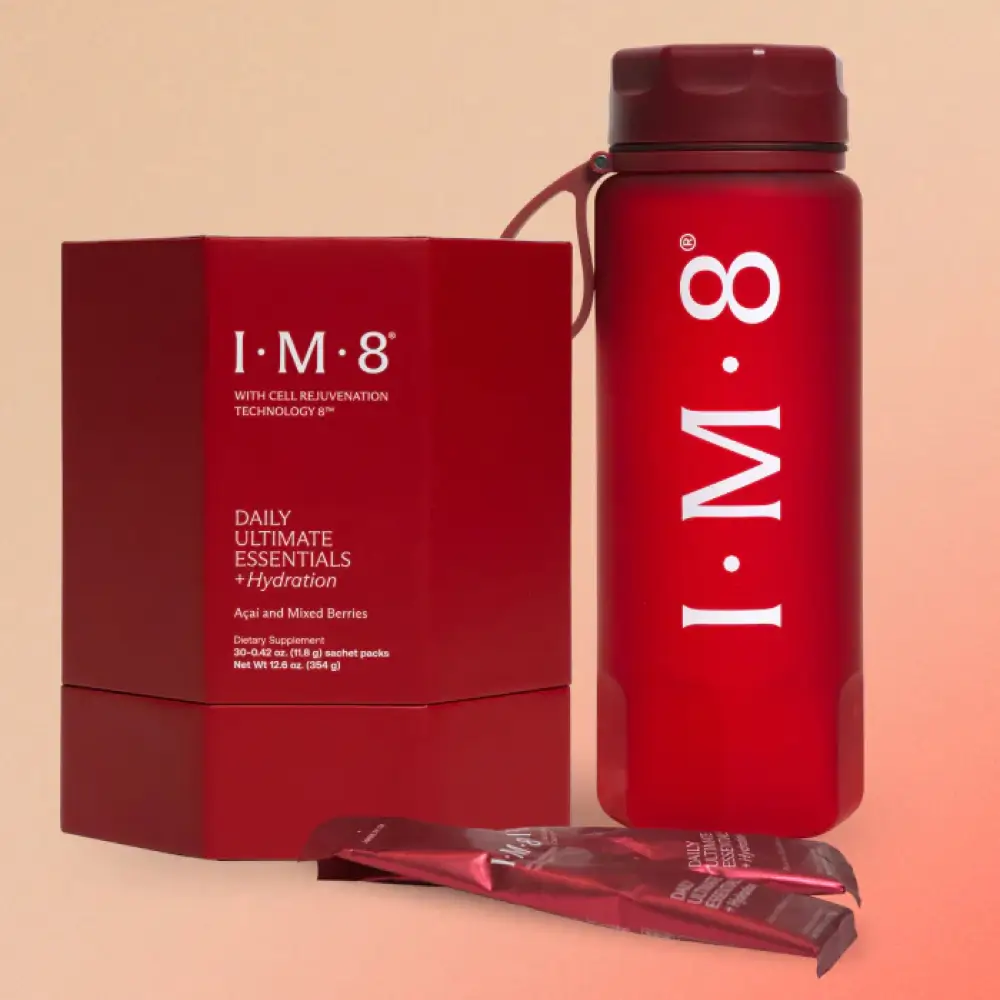
IM8 Health