




Matchaeco Review: Is This £9.99 Shizuoka Matcha the Real Thing?
Matchaeco is a British tea brand selling ceremonial-grade matcha from Shizuoka, roasted hojicha and Philippine ube powder, with a rare habit for the category: it prints the origin, the harvest and the caffeine per serving on the page. Here is our detailed analysis of its formats, its real pound prices, its awards and the two policies that need reading before you order from the United States.





Our verdict on Matchaeco in brief
Matchaeco publishes what a matcha buyer actually needs. Its ceremonial blend states the region, Shizuoka in Japan, the harvest, ichibancha first flush, the shade-growing, the grade and, unusually, the caffeine: 20 mg per 1 g serving. It is a single ingredient with no sugar or filler, it carries Great Taste Awards in 2024 and 2026, and it costs £9.99 for a 50 g jar, roughly $13, or about £0.20 a cup. Compostable pouches start at £5.99 for 20 g, which makes trying the tea cheap, and the catalog goes on into flavored jars, roasted hojicha, Philippine ube powder, whisks, bowls and starter sets.
Two things need to be said plainly. Nothing on the site carries an organic certification, so any page presenting this matcha as organic is wrong. And the paperwork is thin where it matters for an American order: the shipping policy gives no cost and no delivery time for the United States, customs and import duties are explicitly the buyer's, and the return address in the policy is still a placeholder. The 30-day Taste Guarantee is real but refunds only one product per order and only for purchases made on the brand's own store.

In this full review we go through the real composition, the prices and the commitments of Matchaeco, product by product, based on the brand's official pages and policies.
Brand scores
Product scores
User experience
Shipping and customer service
Our analysis of Matchaeco: the products under the microscope
This page is an analysis of the official Matchaeco product pages, policies and catalog, not a tasting session. On a tea, the checkable facts are the origin, the harvest, the grade, the caffeine per serving and the price per gram, and Matchaeco publishes more of them than most matcha brands we cover.
One point of method before anything else: Matchaeco is a British store and it prices in pounds. Every figure below is the official pound price; the dollar equivalents are approximate and only there to give American readers a sense of scale.
📌 Ceremonial Grade Matcha: the reference product
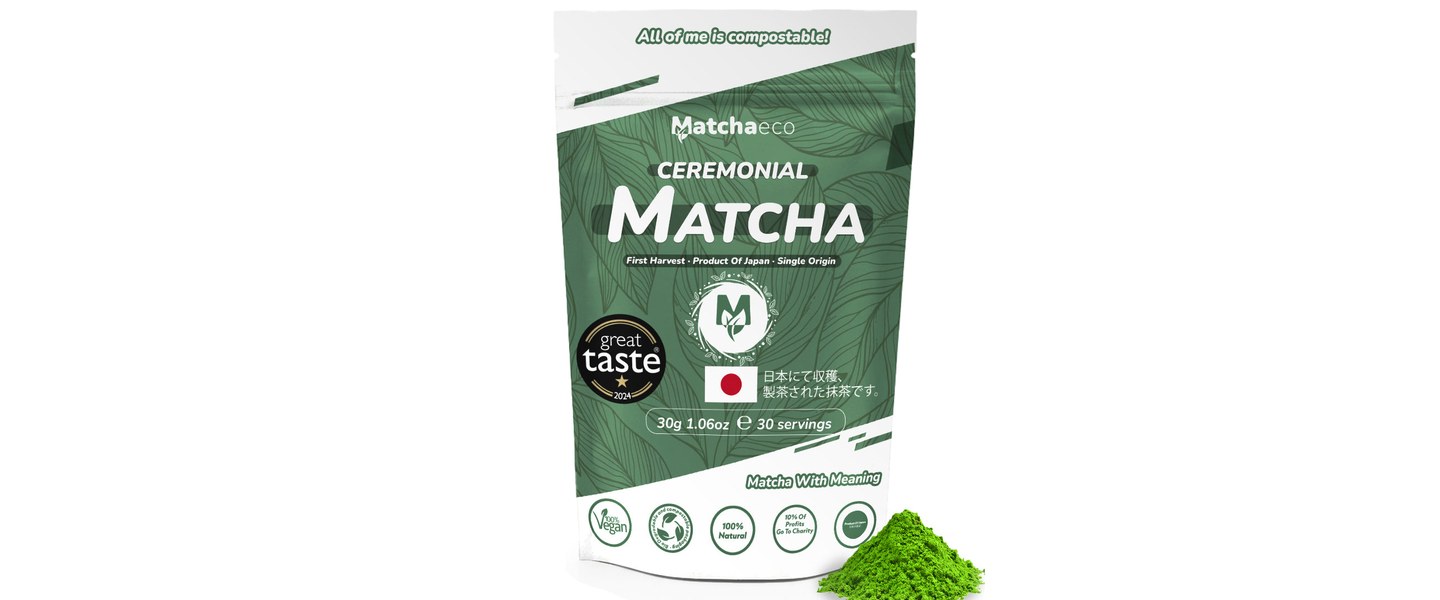
This is the product the brand is judged on, and its page reads like a spec sheet. Origin: the Shizuoka region of Japan. Grade: ceremonial, the drinking grade. Harvest: ichibancha, the first flush, the one with the highest amino acid content. Processing: shade-grown, finely ground. Caffeine: 20 mg per 1 g serving, an amount very few matcha brands bother to print. Net weight: 50 g for roughly 50 uses. Single ingredient, vegan, no additives.
The 50 g glass jar is £9.99, roughly $13, which puts a 1 g serving at about £0.20. A 100 g format made of two 50 g jars is £18.99, and the same tea comes in compostable pouches at £5.99 for 20 g, £7.99 for 30 g and £17.99 for 100 g, plus a 500 g catering pack of five 100 g pouches at £69.99. The pouch at 30 g is the cheapest way to try the tea; the 100 g pouch is the cheapest per gram for a daily drinker. Matchaeco also runs a subscription on the 30 g, 50 g and 100 g formats.
📌 The flavored matcha jars: five variations on the same tea
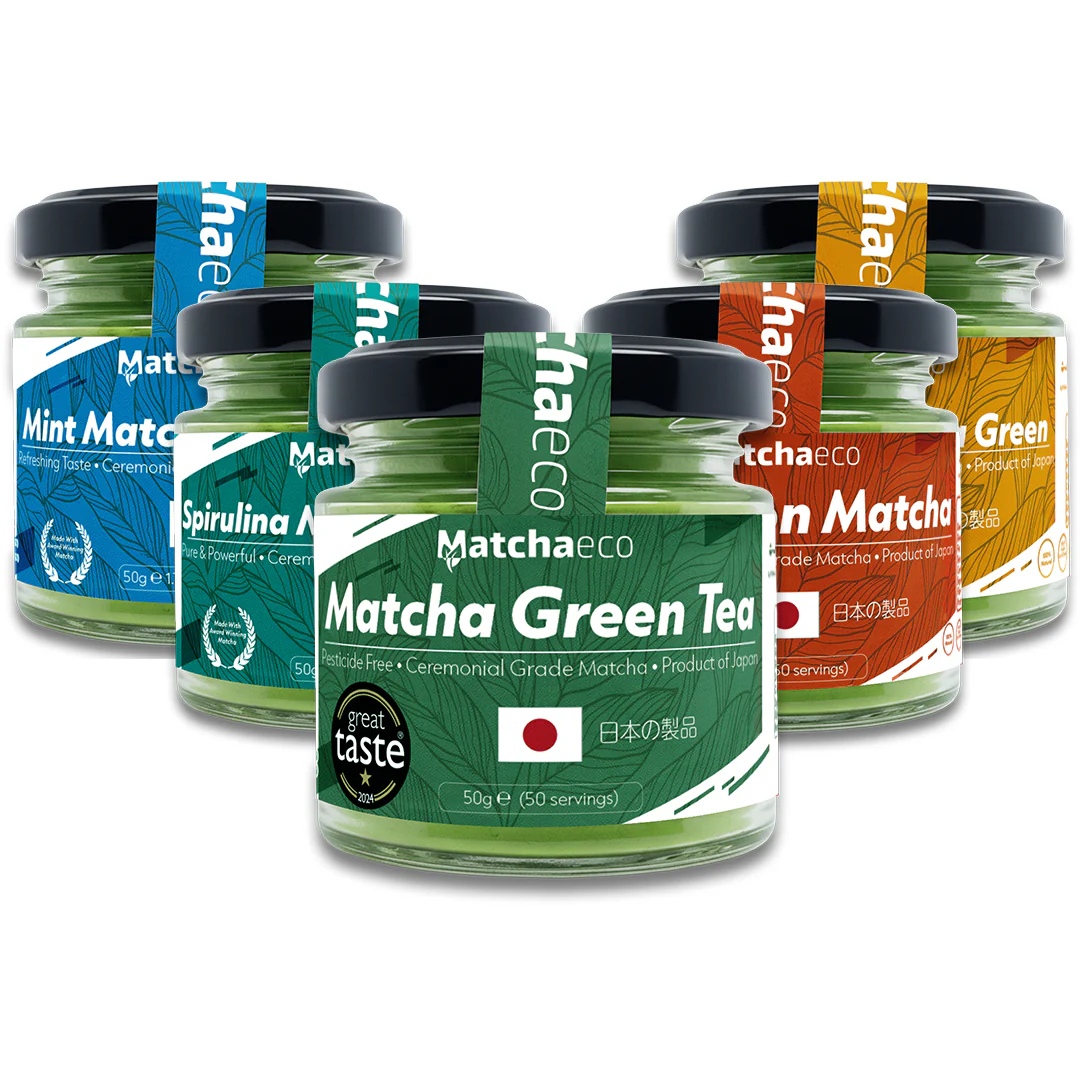
Alongside the regular blend, Matchaeco sells five flavored ceremonial jars at the same £9.99 for 50 g: Mint Zen with peppermint, Golden Glow with turmeric, Cinnamon Soul, Ocean Boost with spirulina and Lemon Ritual with lemongrass. Each is also sold as a 30 g compostable pouch at £7.99, and two variety packs exist for anyone who cannot choose, three pouches at £17.99 or five at £24.99.
This is a merchandising idea rather than a nutritional one. The added botanicals are there for taste, and the brand claims no dose or effect for them, which is the honest way to sell a flavored tea. For the cleanest read on the base matcha, buy the regular blend first: the flavored versions make the tea more pleasant, not more potent.
📌 Hojicha and ube: the two products that are not matcha
The Hojicha Dark Roasted Tea Powder is a Japanese roasted green tea, traditionally roasted and finely milled, sold at £9.99 for a 50 g jar or £16.99 for a 100 g twin pack. The brand states a low caffeine level without giving a figure, and its brewing instructions are precise: sift 1 to 2 g, about half a teaspoon to a teaspoon, whisk with roughly 20 ml of cold water into a paste, then add 70 to 80 ml of water at around 80 degrees. It carries a 2-star Great Taste Award 2026.
The Ube Powder is the odd one out and the most interesting on documentation: 100% pure purple yam, Dioscorea alata, from the Philippines, cooked, dried and finely milled, naturally caffeine-free, in a recyclable glass jar. £9.99 for 80 g, £16.99 for 160 g, and a 1 kg barista pouch at £69.99 for cafes. It is the only product for which Matchaeco states independent testing for pesticides, heavy metals, microbiological safety and contaminants against EU food safety standards, which is exactly the sentence we would like to read on the matcha pages too.
The verdict on format and dosing
A gram of matcha per cup is the working unit, and the brand builds its catalog around it: 1 g bamboo and steel scoops at £4.99, a walnut sifter and a whisk with ceramic stand at £6.99, a 100-prong chasen at £7.99, an electric frother at £8.99, a chawan and an insulated 500 ml flask at £12.99. Starter sets bundle them from £16.99 to £24.99.
At 20 mg of caffeine per gram, a standard 1 to 2 g cup lands between 20 and 40 mg, roughly a third to half of a filter coffee. That published figure is genuinely useful for anyone rationing caffeine, and it is the number the hojicha page is missing, since low is not a quantity. Matcha also brings L-theanine, which is why the brand talks about focus without jitters; that is a fair description of the combination, not a health claim.
Effectiveness and what to expect
Matcha is a food, not a supplement course, and it should be read that way. What is documented is the composition: a whole ground leaf drink naturally containing caffeine, L-theanine and catechins, of which EGCG is the most studied. Matchaeco stays on the right side of the line, describing sustained energy from the caffeine and L-theanine pairing without promising an outcome.
Two practical reminders the brand does not put on the page. Green tea, drunk in quantity around meals, can reduce non-heme iron absorption, which matters if you are managing low iron. And caffeine is caffeine: during pregnancy, breastfeeding, or on stimulant medication, count it in your daily total and ask your doctor. Nothing in a matcha jar treats anything.
Who is Matchaeco?
Matchaeco is a British online tea brand selling directly from its own store in pounds sterling. It works with Japanese growers in Shizuoka for its matcha and with Japanese producers for its hojicha, and sources its ube in the Philippines. It does not publish a founder story or a company address on the site, which is a gap for a brand asking for a subscription.
Where it is unusually concrete is on recognition and on giving. The matcha carries Great Taste Awards in 2024 and 2026 and the hojicha a 2-star Great Taste Award in 2026, an independent blind-tasting judgment rather than a self-awarded badge. And the brand states that 10% of profits are donated, 5% to WeForest for reforestation and 5% to Oceana for ocean conservation.
📌 Key commitments
- Origin published product by product: Shizuoka for the matcha, Japan for the hojicha, the Philippines for the ube
- Caffeine printed on the matcha pages at 20 mg per 1 g serving
- Great Taste Award 2024 and 2026 on the matcha, 2-star Great Taste Award 2026 on the hojicha
- Single-ingredient products, vegan, with no sugar, filler or additive declared
- 10% of profits donated, 5% to WeForest and 5% to Oceana
Ceremonial Grade Matcha against a supermarket matcha
| Criteria |
Analyzed by TBS
Matchaeco Ceremonial Grade Matcha
|
Supermarket matcha
|
|---|---|---|
| Origin and harvest | ✅Shizuoka, Japan, ichibancha first flush, shade-grown | ❌Product of Japan, or no region at all |
| Grade | ✅Ceremonial, the drinking grade | ❌Culinary grade, meant for baking |
| Caffeine published | ✅20 mg per 1 g serving, printed on the page | ❌Not stated anywhere |
| Independent recognition | ✅Great Taste Award 2024 and 2026 | ❌None |
| Organic certification | ❌No organic certification displayed on the site | ✅Frequently certified organic |
| Ships to the United States | ✅Yes, the store's country selector offers the US in dollars, but no cost or delivery time is published | ✅Yes, on the shelf |
The table explains the price gap. A supermarket tin is usually a culinary grade with no region, no harvest and no caffeine figure, and it is cheaper for that reason. Matchaeco publishes all three and charges £9.99 for 50 g, about £0.20 a cup, which is not expensive for a first-flush Shizuoka ceremonial matcha. The one line where it loses is organic certification, which it simply does not have, and the last line is the one to read carefully before ordering from the United States.
The Matchaeco range
The catalog is broad for a brand this size. On matcha: the regular ceremonial blend in 50 g and 100 g jars at £9.99 and £18.99, compostable pouches from £5.99 for 20 g to £17.99 for 100 g, a 500 g catering pack at £69.99, five flavored jars at £9.99 each and two variety packs at £17.99 and £24.99. Beyond matcha: hojicha at £9.99 for 50 g or £16.99 for 100 g, and ube powder at £9.99 for 80 g, £16.99 for 160 g or £69.99 for the 1 kg barista pouch. Then the whole tea ceremony hardware from £4.99 to £14.99, four gift and starter sets between £16.99 and £24.99, and digital gift cards. Subscriptions are available on the main matcha formats.
Composition breakdown: what the products are actually made of
The matcha, leaf by leaf
There is only one ingredient, so everything rests on how the leaf was grown and picked. Shade-growing before harvest raises the L-theanine and chlorophyll content and gives ceremonial matcha its color and its umami rather than bitterness. Ichibancha, the first flush, is the most prized picking for the same reason, and Shizuoka is one of Japan's major producing regions. Matchaeco states all three and adds the caffeine at 20 mg per gram. What it does not publish is a lot number, a harvest year, or a certificate of analysis for pesticides and heavy metals on the tea, which it does state in words on the ube.
The hojicha and the ube, side by side
Hojicha is the same plant treated differently: green tea leaves roasted at high temperature, which converts part of the caffeine and much of the astringency into toasted, caramel and cocoa notes. It is the evening option of the range and the one to reach for on a sensitive stomach, though the page states only a low caffeine level without a number. The ube is not a tea at all: pure Dioscorea alata, cooked, dried and milled, caffeine-free, naturally rich in anthocyanins, which is where the purple color comes from, and naturally containing manganese, potassium, magnesium and iron. The brand is careful here too, presenting it as a colorful, versatile ingredient for lattes and baking rather than as a functional supplement.
Buying Matchaeco from the United States
Matchaeco sells from a British store in pounds sterling, and its own country selector offers the United States with dollar pricing, so American orders go through. What the brand does not publish is the part that matters: its shipping policy gives no delivery cost and no delivery time for the United States, states only that processing time varies by item, and puts customs and import taxes explicitly on the buyer. The free shipping upgrade advertised over £30 is a UK-oriented offer. So the honest answer is that ordering from the US is possible but the landed cost is only revealed at checkout.
The refund side needs the same reading. Matchaeco advertises a 30-day Taste Guarantee that is generous in one respect, it refunds one product from the order without asking for a return, and limited in another, since on a multi-item order only one item is refunded, and the guarantee applies only to purchases made on Matchaeco.com. Standard returns run on a different track: contact within 14 days, send back within 30 days, buyer pays return postage outside the UK. Note also that the published return address is still a placeholder in the policy text. The code LMCO5 takes 5% off on the official store, which is a small lever on a £9.99 jar.
Technical analysis and expert verdict
On the tea itself, Matchaeco is doing the right things. Region, harvest, grade and processing are stated, the caffeine is printed per gram, the products are single-ingredient, and the Great Taste Awards in 2024 and 2026 are an independent judgment on the cup rather than a marketing badge. At £9.99 for 50 g, roughly £0.20 a serving, the price is fair for a first-flush Shizuoka ceremonial grade, and the pouches let you start at £5.99 instead of committing to a jar.
The gaps are all on paper rather than in the cup. There is no organic certification, and any page that suggests one would be wrong. There is no certificate of analysis for pesticides or heavy metals on the tea, although the brand publishes exactly that commitment for its ube, so the standard exists internally. The shipping policy is close to empty and the return address is still a placeholder, both of which are easy fixes that would raise the score. For a US reader who wants a genuinely documented Japanese matcha at a reasonable price and does not mind a checkout in pounds, Matchaeco is a sound choice; treat it as a food, not a supplement.
The Matchaeco flagship products
📌 Ceremonial Grade Matcha
The product the brand is built on: single-ingredient ceremonial-grade matcha from Shizuoka, Japan, ichibancha first flush, shade-grown and finely ground, with 20 mg of caffeine per 1 g serving printed on the page. £9.99 for a 50 g jar, roughly $13, or about £0.20 a cup, with a 100 g format at £18.99. The same tea is sold in compostable pouches from £5.99 for 20 g, £7.99 for 30 g and £17.99 for 100 g. Great Taste Award 2024 and 2026.
📌 Hojicha Dark Roasted Tea Powder
The evening counterpart: a Japanese roasted green tea, traditionally roasted and finely milled, with warm caramel and cocoa notes and a naturally low caffeine level. £9.99 for a 50 g jar, £16.99 for the 100 g twin pack. The brand's own instructions are 1 to 2 g sifted, whisked into a paste with about 20 ml of cold water, then topped with 70 to 80 ml of water at around 80 degrees. 2-star Great Taste Award 2026.
Use the code LMCO5 for 5% off directly on the official Matchaeco store.
Go further: browse the Matchaeco brand page with the full product list, the Matchaeco promo code LMCO5 and the Ceremonial Grade Matcha - Matchaeco product sheet.
Our final verdict: should you buy from Matchaeco?

The Best Supplements' editorial guidelines guarantee transparency and reliability: all our content is written by industry specialists and validated against 7 key criteria*, so every publication delivers quality information, promo codes, and reviews.
To support The Best Supplements, links on this site are affiliate links: we may earn a commission when you buy through these links, at no extra cost to you. By using the site you accept our terms of use and our editorial policy.
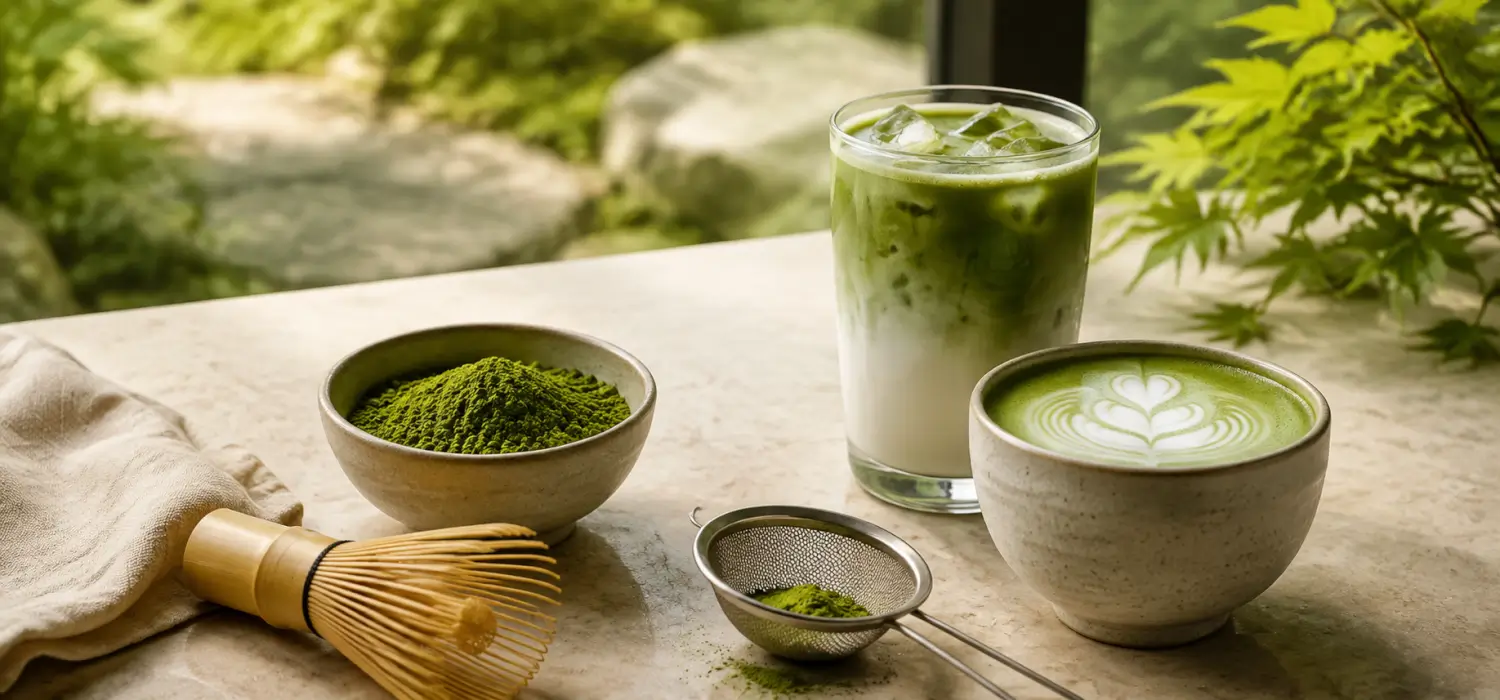

🎁 Want a -50% promo code you won't find anywhere else?
We negotiated an exclusive -50% promo code for you with a very well-known mushroom coffee brand. Interested? Subscribe and get your code straight to your inbox.
The 7 key criteria behind our reviews
Every piece of content published on The Best Supplements is carefully written by passionate experts, following a rigorous process. The Best Supplements is committed to providing information that is reliable, useful, and enjoyable to read.
Specialized, committed writers

Rigorous research behind every fact
Full transparency on sources
Focused on your real needs
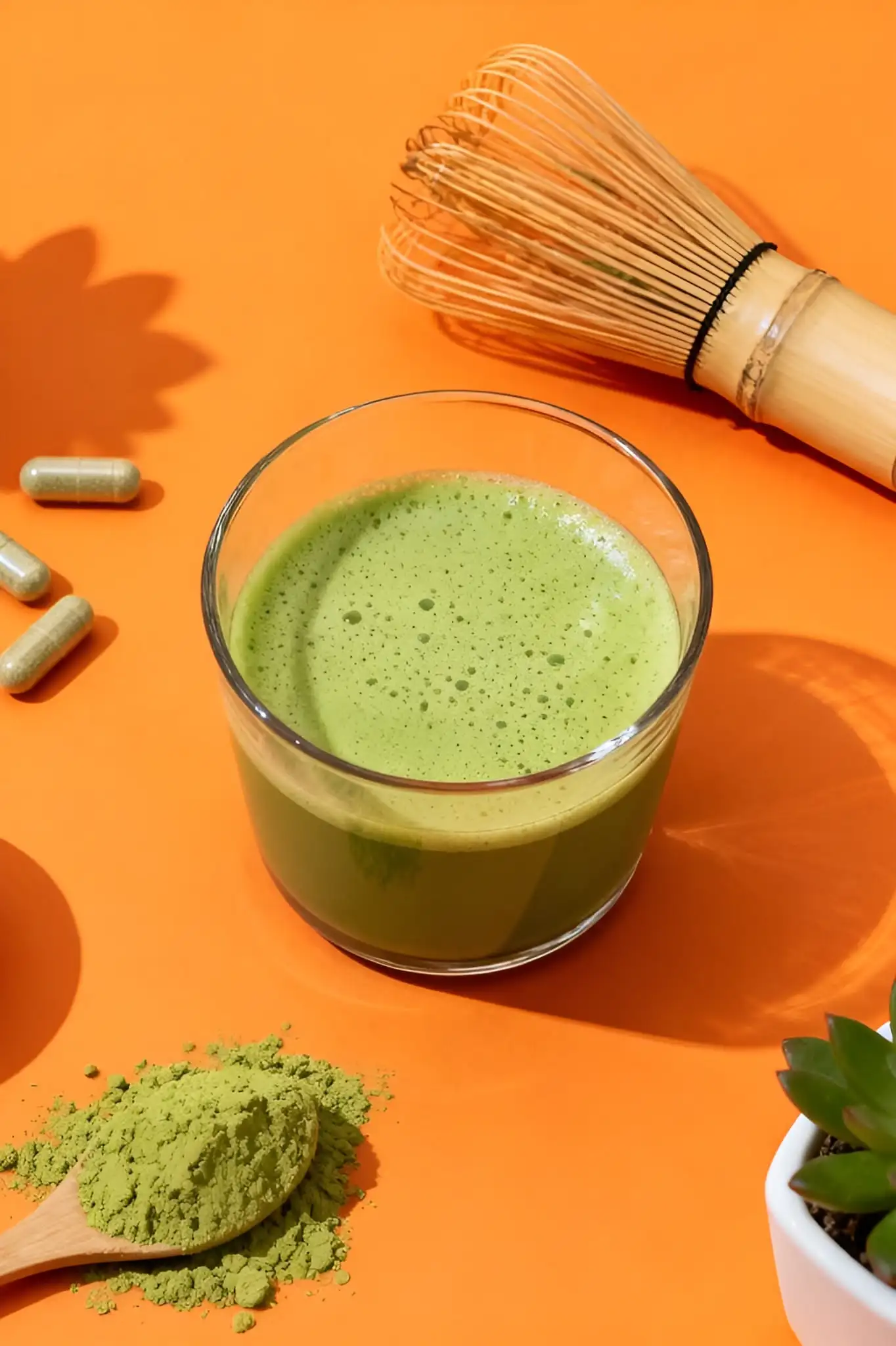
Original, authentic content
Articles updated continuously
Compliance with standards and editorial ethics

Our favorite brand this month 🧡
Our pick of the month, one to try without hesitation.
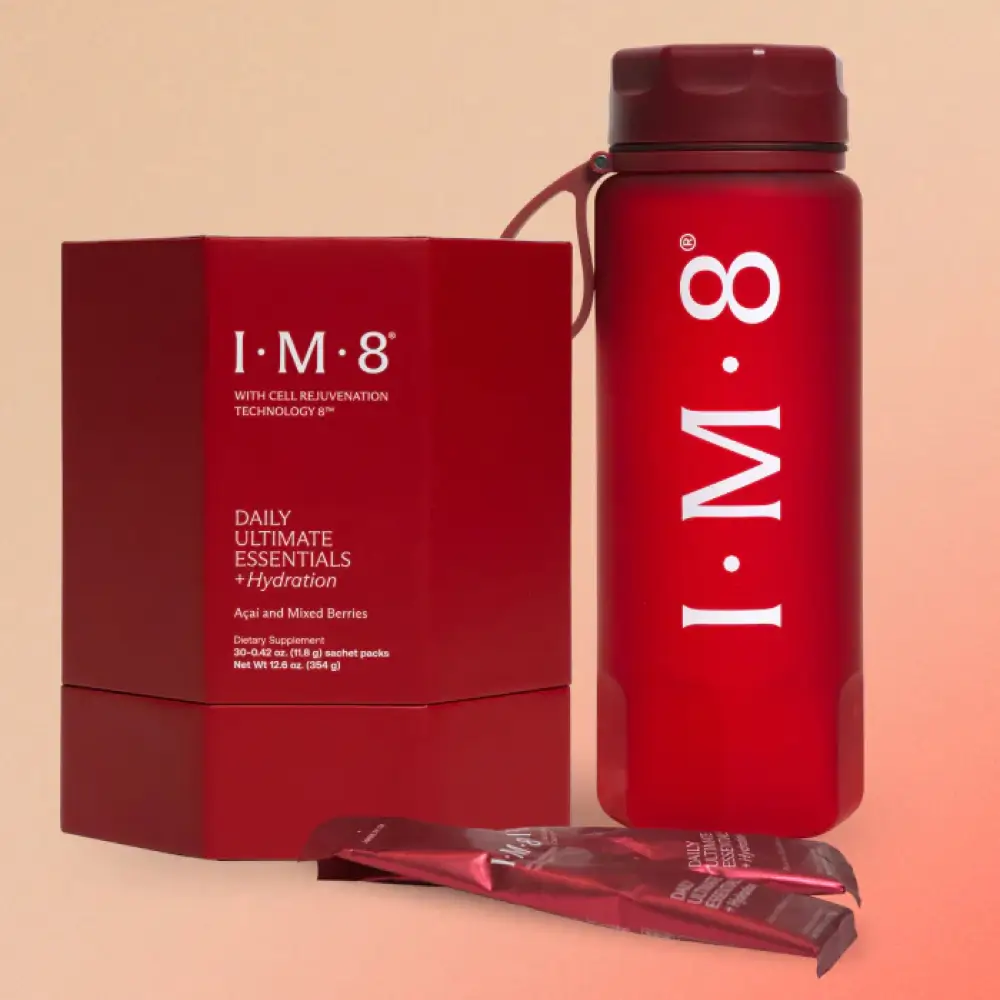
IM8 Health