





Which Mastic Gum Should You Choose? Origin, Formats and Our Top Picks
Chios resin is sold as nuggets, droplets and capsules, at very different prices per day. We compared the brands so you can buy the real thing.

The Best Supplements' editorial guidelines guarantee transparency and reliability: all our content is written by industry specialists and validated against 7 key criteria*, so every publication delivers quality information, promo codes, and reviews.
To support The Best Supplements, links on this site are affiliate links: we may earn a commission when you buy through these links, at no extra cost to you. By using the site you accept our terms of use and our editorial policy.
🛒 The best mastic gum products to discover
Compare tins, capsules and bundles by cost per day rather than by sticker price.
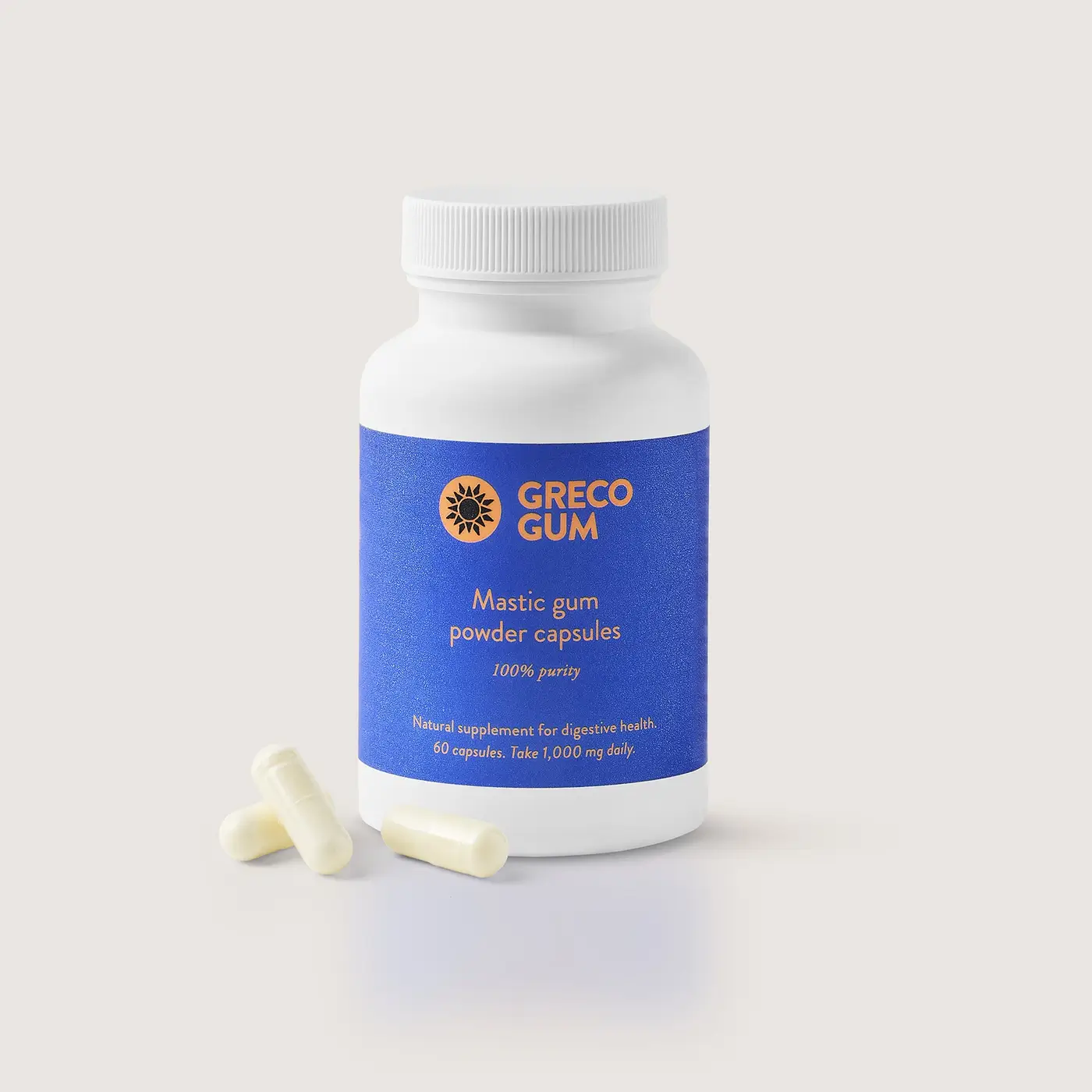
Mastic Gum Nuggets



📚 Mastic gum guides and articles
Origin, formats, how to chew it and who should avoid it: the essentials before your first tin.
What is mastic gum?
Mastic gum is the crystallized resin of Pistacia lentiscus var. Chia, a small evergreen tree that only yields its resin in the southern part of the Greek island of Chios. Growers score the bark by hand, let the droplets harden in the sun, then clean and sort them piece by piece. The result is a hard, brittle resin that softens into a chew after a minute or two in the mouth.
Two things make the category unusual. The product is a single raw material with nothing added, so there is no proprietary blend to decode. And the supply is geographically capped: attempts to cultivate the tree for resin elsewhere have not produced a commercial harvest, which is why authenticity and sourcing documents matter more here than dosage tables.
How mastic gum is sold
Brands sell it in three formats. Whole resin in tins, sized either as larger nuggets or smaller, harder droplets, is the traditional form and the one people chew. Ground resin in capsules is the newer format, aimed at buyers who want the ingredient without the jaw work. Bundles pair the two.
Pricing is driven by weight rather than by dose. A 45 g tin is commonly sold as a six-week supply, and per-day cost is the only fair way to compare tins across brands. Watch for the gap between one-time and subscription pricing, which on some stores is wide enough to change the ranking entirely.
What we check before recommending a brand
Authenticity first: counterfeit and diluted resin is a known problem in this category, so we look for a stated relationship with the Chios growers' association and for a certificate of analysis that names the testing laboratory, the date and the methods. Botanical identity testing by HPTLC is the marker that separates a serious brand from a reseller.
We then check heavy metals and microbiological results, where the resin is packed, what the refund policy actually covers, and whether the store ships from within the United States. Finally we read the marketing language: this category attracts strong claims about digestion, oral bacteria and jaw definition, and we report what the label supports rather than what the homepage promises.
Who it is not for
Raw mastic is considerably harder than ordinary chewing gum. Anyone with fragile teeth, recent dental work, crowns, fillings, braces or existing jaw joint trouble should speak to a dentist before chewing it, and capsules are the sensible alternative. As with any supplement, people who are pregnant, breastfeeding or on medication should ask a healthcare professional first.

The 7 key criteria behind our reviews
Every piece of content published on The Best Supplements is carefully written by passionate experts, following a rigorous process. The Best Supplements is committed to providing information that is reliable, useful, and enjoyable to read.
Specialized, committed writers


Rigorous research behind every fact
Full transparency on sources

Focused on your real needs
Original, authentic content
Articles updated continuously

Compliance with standards and editorial ethics

Our favorite brand this month 🧡
Our pick of the month, one to try without hesitation.
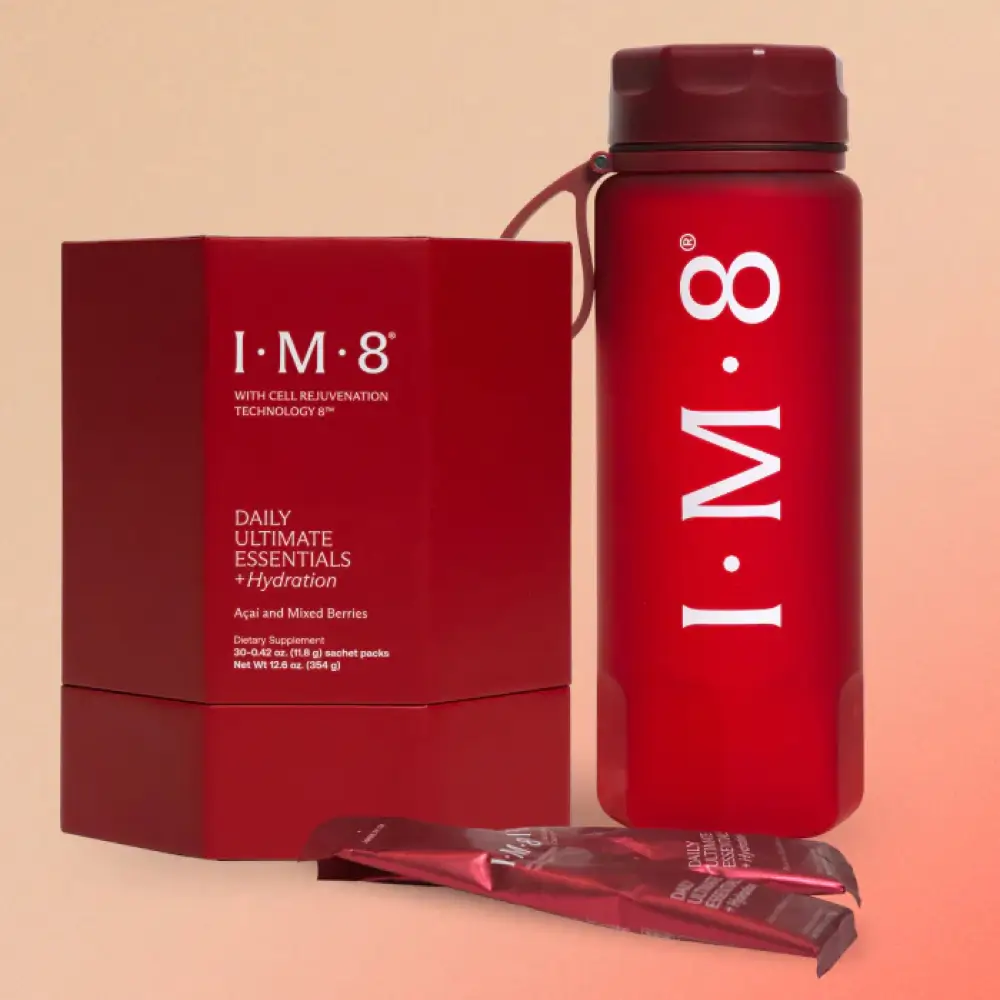


IM8 Health